
 2026/03/15 20:57
High Quality Door Production Starts With the Right Bamboo Veneer
The demand for doors that balance durability, aesthetics, and environmental responsibility has driven many manufacturers to look beyond conventional hardwoods. Among the alternatives that have gained steady traction, bamboo veneers stand out for their performance, versatility, and consistency. Yet not all bamboo veneers are created with the same level of care, and the quality of the veneer selected often shapes the outcome of the finished door more than any other single component. From structural stability to finishing performance, the veneer sets the tone for how a door looks, feels, and holds up over time.
This is why choosing the right bamboo veneer is more than a simple sourcing decision—it’s foundational to reliable, high‑quality door production. To understand why, it helps to look closely at the characteristics of bamboo veneers, the variations available, and how each contributes to the craftsmanship of a well‑made door.
Why Bamboo Veneer Has Become a Preferred Material
Bamboo has long been valued for its rapid growth, renewability, and striking visual appeal. Once processed into veneer, it offers manufacturers a material that is both stable and easy to work with. Unlike some hardwood species that fluctuate in supply or face stricter environmental regulations, bamboo remains abundant and consistently harvested.
Several features make bamboo veneer particularly suitable for door production:
Dimensional stability that supports flat, warp‑resistant door panels
Uniformity that enables large, consistent surfaces without unpredictable grain shifts
Strength‑to‑weight balance that keeps doors solid yet manageable
Versatile finishing properties that support stains, paints, and clear coats
Manufacturers often find that bamboo veneers help them streamline workflows, reduce waste, and offer customers a more sustainable product without compromising performance.
How Veneer Quality Influences Door Manufacturing
Doors experience daily wear, shifting humidity levels, and repeated handling. The veneer must reinforce—not undermine—the integrity of the door. High‑quality bamboo veneer contributes to several aspects of production and long‑term performance.
Structural Consistency
Superior veneer sheets have uniform thickness and controlled moisture content. This prevents uneven bonding or bubbling during pressing, ensuring a reliable bond with the core material. Consistent veneer also leads to predictable machining outcomes, an important factor when working with precision tools.
Surface Appearance
The face of a door is one of the first things people notice. Well‑selected bamboo veneer delivers clean grain lines, minimal discoloration, and a balanced texture. Inferior veneers may have patched defects, color inconsistencies, or unnatural pattern transitions that become more noticeable once finished.
Finishing Performance
A high‑quality bamboo veneer absorbs finishes evenly, allowing stains to penetrate smoothly and clear coatings to settle without blotching. Lower‑grade veneers may drink stain unevenly or reveal glue lines beneath the surface. For manufacturers offering premium interior doors, consistent finishing behavior is a non‑negotiable requirement.
Long‑Term Stability
Doors must endure seasonal changes, HVAC fluctuations, and varying indoor climates. A reliably manufactured bamboo veneer reduces the risk of veneer cracking, peeling, or lifting over time. When paired with proper adhesive and pressing techniques, the right veneer supports strong long‑term adhesion.
Types of Bamboo Veneer Commonly Used in Door Production
Different bamboo veneers offer their own functional and visual benefits. Choosing the right one depends on the style of door being produced and the performance expectations of the end user.
Horizontal Bamboo Veneer
Horizontal veneer showcases the familiar nodes of the bamboo plant, resulting in a more natural, organic pattern. Many designers appreciate its warm, inviting character, making it a fitting choice for residential interiors or spaces seeking a subtle natural emphasis.
Vertical Bamboo Veneer
Vertical veneer has a narrow, linear grain with fewer visible nodes. The result is a sleek, modern appearance that suits contemporary architecture or minimalist interiors. Its uniform pattern also works well on large doors where visual continuity is important.
Strand Woven Bamboo Veneer
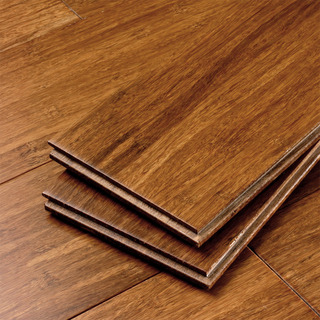
Strand woven veneer comes from bamboo fibers compressed under high pressure. It offers exceptional density and a more textured, hardwood‑like grain. This type of veneer is often selected for high‑traffic areas, commercial projects, or designs requiring a richer visual presence.
Each variety offers its own aesthetic language. Manufacturers often keep multiple veneer types on hand to meet different architectural requirements.
Why Veneer Density and Fiber Quality Matter
The internal fiber structure of bamboo veneer affects its durability and how it reacts to machining. Density, fiber orientation, and adhesive quality all play a role.
Fiber Orientation
Uniform orientation creates a smoother cutting experience and cleaner edges during trimming. Poorly aligned fibers can cause unexpected tear‑out when shaping or routing door panels.
Resin and Adhesive Content
High‑quality veneers use stable, low‑VOC adhesives that hold the fibers firmly without affecting finishing. Excessive adhesive can make the veneer brittle; too little can compromise structural integrity.
Compression and Density
Stronger compression leads to better impact resistance. Strand woven veneers, for example, rely heavily on compression to create the density they’re known for. For doors exposed to frequent handling or potential impacts, a denser veneer can extend their service life.
Moisture Control: A Key Factor in Veneer Selection
Moisture sensitivity is a common challenge in door production. A veneer that fluctuates too much with humidity changes can affect the entire structure of the door. That’s why precise moisture control is essential at every stage—harvesting, drying, slicing, and final inspection.
Signs of a well‑prepared veneer include:
Even moisture distribution across the entire sheet
Lack of cupping or curling
Stable behavior during acclimation
Moisture‑balanced bamboo veneers bond more reliably when pressed to the door core and maintain better surface flatness over time.
Matching Veneer Thickness to Door Construction
Doors vary widely in construction—from hollow‑core residential doors to engineered solid‑core designs. Veneer thickness needs to match the weight, rigidity, and intended use of each door type.
Thinner veneers work well for lightweight or cost‑sensitive applications where the door will not face significant wear.
Thicker veneers improve durability, provide more resistance to surface damage, and allow for additional sanding during manufacturing or refinishing.
The key is choosing a veneer thickness that complements the door’s structural demands without adding unnecessary weight or cost.
Aesthetics, Color Matching, and Grain Consistency
Large door surfaces magnify even minor inconsistencies. This makes grain matching and color uniformity essential.
Achieving Natural Color Harmony
Bamboo naturally varies in color depending on growth conditions and processing methods. High‑quality veneer suppliers sort sheets according to shade to minimize visible transitions. When entire batches are closely matched, manufacturers can offer doors with cohesive, predictable color tones.
Grain Flow Across Panels
For double doors, wardrobe doors, or oversized entry panels, grain continuity is especially important. Using veneers that are sequentially sliced allows the grain to flow across multiple surfaces in a visually seamless way. This is a detail that significantly elevates the craftsmanship of a finished door.
How the Right Veneer Improves Manufacturing Efficiency
Production efficiency depends on materials that behave predictably. Bamboo veneers that meet consistent standards help manufacturers avoid delays, waste, and quality control issues.
Fewer Manufacturing Defects
Quality veneers reduce the risk of:
Surface bubbling during pressing
Glue bleed‑through
Uneven staining
Machining tear‑out
Better Tool Performance
Sharp tools stay sharp longer when the material is uniform and free from hard pockets or overly resinous spots. This can reduce downtime and extend the life of cutting equipment.
Reliable Finishing Outcomes
Smooth grain and consistent absorption patterns allow finishing departments to work more efficiently, saving both time and material.
A well‑chosen veneer supports a smoother journey from raw sheet to finished door.
Environmental and Certification Considerations
Many manufacturers prioritize materials that support responsible sourcing. Bamboo already has a favorable environmental profile due to its rapid growth cycle, but certification and adherence to quality standards still matter.
Look for indicators such as:
FSC‑certified bamboo sources
Low‑VOC adhesive compliance
Transparent chain‑of‑custody documentation
Assurance that veneers meet regional indoor air‑quality standards
These elements not only support sustainability goals but also enhance the market value of the finished product.
Meeting Customer Expectations for Modern Interiors
Design trends continue shifting toward clean lines, natural materials, and surfaces that communicate warmth and authenticity. Bamboo veneers naturally support these preferences while offering flexibility for different styles—from rustic to ultra‑modern.
Consumers also expect doors that:
Resist warping
Maintain their finish
Open and close smoothly over many years
Offer reliable acoustic and thermal performance
The veneer is the first surface they experience, both visually and through touch. Choosing a high‑grade option directly affects how the door is perceived the moment it is installed.
Why Starting With the Right Veneer Makes the Difference
Every stage of door production depends on dependable raw materials, and the veneer is one of the most visible and influential components. The right bamboo veneer enhances the structural performance of the door, supports efficient manufacturing, improves finishing outcomes, and satisfies the expectations of architects, builders, and homeowners.
When manufacturers invest in high‑quality bamboo veneer, they set the foundation for doors that deliver lasting value, appealing design, and stable performance. Whether the goal is to offer a modern, sleek collection or a warm, natural product line, selecting the right veneer is one of the most decisive steps in achieving results that stand out.
回答
まだコメントがありません
新規登録してログインすると質問にコメントがつけられます