
 2026/03/10 15:39
Merbau vs Bamboo Decking: Which One Handles Weather Better?
Choosing the right decking material involves weighing appearance, durability, maintenance needs, and—perhaps most importantly—how well the material stands up to weather. Among the popular options for outdoor spaces, Merbau and bamboo decking both have strong reputations. Each behaves differently in harsh sun, heavy rain, changing humidity, and long‑term exposure to the elements. Understanding these differences can help you make a confident, informed choice that suits your climate and lifestyle.
This blog takes a close look at how Merbau and bamboo decking handle weather, while also exploring practical aspects such as maintenance, environmental impact, installation considerations, and long‑term performance. The aim is to create a clear picture of what to expect from each material so you can choose the decking that best fits your home and climate.
Understanding the Characteristics of Merbau and Bamboo
Before comparing weather resistance, it helps to understand what makes each material unique.
Merbau
Merbau is a hardwood sourced mainly from Southeast Asian and Pacific regions. It has a long-standing reputation for stability and resilience, partly due to its high natural oil content. This oil offers built‑in protection against moisture and decay, helping the wood remain durable even in demanding outdoor environments.
Notable traits:
Dense and heavy
Naturally resistant to rot and termites
Rich reddish‑brown color that deepens over time
Can bleed tannins when freshly installed
Requires oiling to maintain color and protect the surface
Bamboo
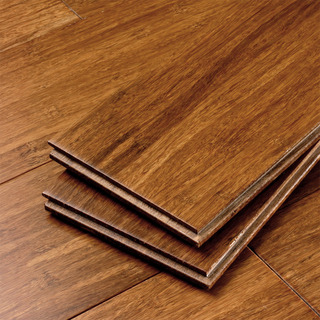
Decking‑grade bamboo is not raw plant material but a processed product. Strands of bamboo are compressed and fused at high temperature and pressure, creating a material that is harder than many traditional hardwoods. Because it’s engineered, quality can vary, but reputable brands produce decking that performs exceptionally well in diverse climates.
Key traits:
High density and hardness
Consistent appearance
Good resistance to insects and decay
Stable when installed correctly
Comes in pre‑finished and unfinished options
These characteristics influence how each material interacts with weather and environmental conditions over time.
Moisture Resistance: Wet Climates, Rain, and Humidity
Merbau’s Response to Moisture
Merbau handles moisture quite well. Its natural oils slow water absorption, reducing the risk of rot or fungal attack. This makes it reliable for humid zones and regions with regular rainfall.
However, Merbau can still:
Expand or contract with major swings in humidity
Develop surface checking if allowed to dry too quickly
Bleed tannins after installation, especially when exposed to rain
Tannin bleeding doesn’t affect structural integrity but can discolor nearby surfaces temporarily. Proper washing and initial maintenance help manage this.
Bamboo’s Response to Moisture
High‑quality engineered bamboo decking is designed to resist moisture absorption, thanks to the compression process and protective treatments. Many bamboo products have moisture resistance comparable to or even better than well‑oiled hardwoods.
Performance highlights:
Strong dimensional stability
Excellent resistance to swelling
Good performance in humid regions when ventilation underneath is adequate
However, bamboo is extremely dense, meaning it must have proper airflow. If installed over a poorly ventilated subframe or where water can collect, it may experience cupping or surface discoloration.
Which Handles Moisture Better?
Both materials perform well, but the winner depends on the conditions:
For coastal areas with high humidity and salt air, bamboo can offer slightly more consistent stability.
For heavily shaded, damp yards where air circulation is limited, Merbau’s natural oils may give it an edge.
With correct installation and care, both hold up well against moisture, though bamboo is more sensitive to airflow and Merbau is more sensitive to surface drying.
Performance in Intense Sun and Heat
Merbau in Hot, Sunny Climates
Strong sun causes natural hardwoods to fade, and Merbau is no exception. Untreated Merbau gradually shifts from reddish brown to a silvered patina. Although this change is cosmetic, UV exposure can dry the surface, leading to checking or splintering if not maintained.
Merbau benefits from:
Regular oiling
Occasional sanding if surface fibers lift
Shade where possible
Bamboo in Hot, Sunny Climates
Engineered bamboo tends to have better initial UV resistance, especially when factory‑finished with high‑performance coatings. It often fades more slowly and maintains a more uniform appearance.
Still, prolonged heat exposure can:
Warm the surface significantly
Fade the color over time
Dry the top layer if not maintained
Some bamboo boards come with UV‑resistant coatings that extend color life, giving bamboo a slight advantage over Merbau in hot, open spaces.
Which Handles Heat Better?
Bamboo generally shows better color stability under strong sun, while Merbau can dry out if not maintained. Both require UV protection, but bamboo maintains a more even appearance with less frequent re‑coating.
Seasonal Movement: Expansion and Contraction
All outdoor materials are affected by temperature changes, though the degree varies.
Merbau Movement
Merbau expands and contracts with moisture levels more than with temperature. Seasonal shifts can lead to:
Gapping if boards dry out
Tight joints or minor cupping when humidity rises
Proper spacing and consistent oiling keep these effects manageable.
Bamboo Movement
Engineered bamboo undergoes controlled processing, which reduces natural inconsistencies. As a result, it has:
Very low expansion and contraction rates
Remarkable stability across seasonal changes
Better long‑term flatness when installed with recommended clearances
Which Performs Better?
Bamboo generally exhibits less seasonal movement, especially in climates with extreme swings. Merbau performs reliably but needs more attention to spacing and maintenance over time.
Resistance to Mold, Mildew, and Rot
Merbau
Thanks to its natural oils, Merbau resists fungal decay well. Mold and mildew can appear on the surface in damp environments, but these are usually superficial and cleanable.
Bamboo
Engineered bamboo is treated to resist mold and decay. Its density makes it less prone to moisture penetration, but without proper ventilation underneath, mildew can still form.
Comparison
Both materials resist rot effectively, but:
Merbau has natural anti‑fungal properties
Bamboo relies on engineered treatments and structural density
Neither is immune to surface mold in shaded, damp areas, so regular cleaning is essential.
Wind, Storms, and Harsh Weather Events
Merbau
Heavy hardwoods like Merbau are naturally solid and less likely to lift or loosen in strong winds when installed properly. The weight contributes to stability.
Bamboo
Bamboo boards are also dense and sturdy, but because of their uniform structure, they remain extremely rigid across their length. They resist warping in wind-driven rain and rapid temperature changes.
Which Is More Weather‑Resilient Overall?
Both materials perform admirably during severe weather, but bamboo’s engineered structure gives it slightly better uniformity under stress.
Maintenance Expectations in Different Weather Conditions
Regardless of climate, maintenance plays a large role in long‑term performance.
Merbau Maintenance
Regular oiling is important
Occasional washing to remove tannins early on
Sanding may be needed after significant sun exposure
More prone to color variation without upkeep
Bamboo Maintenance
Less frequent oiling needed (depending on manufacturer coating)
Routine cleaning to prevent surface buildup
Inspecting for airflow beneath the deck
Coating refresh typically needed less often than hardwood
In harsher climates, bamboo generally requires less hands‑on maintenance to remain stable, while Merbau requires consistent care to look its best.
Environmental and Sustainability Considerations
Merbau
Merbau has a longer growth cycle and is harvested from limited natural forests. Sustainability varies widely between suppliers. Certification is essential to ensure responsible sourcing.
Bamboo
Bamboo grows quickly and regenerates rapidly, making it one of the more sustainable building materials when sourced responsibly. Engineered bamboo does use adhesives and energy for processing, but it is still generally considered a more eco‑friendly choice.
For homeowners concerned about environmental impact, bamboo usually has a lower footprint.
Installation Factors That Affect Weather Performance
Merbau Installation
Pre‑drilling recommended
Boards must be spaced correctly to avoid movement issues
Tannin runoff must be managed to protect nearby surfaces
Bamboo Installation
Precision cutting tools required due to high density
Adequate ventilation beneath the deck is vital
Hidden fastener systems often create a cleaner finish
A high‑quality installation dramatically boosts weather performance for both materials. Poor installation negates the advantages of either option.
Which One Handles Weather Better Overall?
Both Merbau and bamboo offer dependable weather resistance, but they excel in different areas.
Bamboo tends to handle weather better when:
The climate has intense sun or extreme seasonal changes
The homeowner prefers stable, uniform boards
Low maintenance is a priority
Sustainability matters
Merbau performs exceptionally well when:
The climate is consistently humid
Natural hardwood aesthetics are preferred
Regular maintenance is not an issue
The deck remains well‑ventilated and protected from prolonged surface wetness
Your climate, maintenance habits, and design goals will naturally guide you toward one material or the other.
Final Thoughts
Merbau and bamboo are both strong choices for outdoor decking, yet their weather performance differs in subtle but meaningful ways. Bamboo generally offers superior stability, UV resistance, and predictability, especially when dealing with complex climates. Merbau delivers natural resilience and a rich aesthetic that many homeowners love, provided they are prepared for routine care.
Understanding how each material responds to rain, humidity, heat, and seasonal changes makes it easier to choose the decking that suits your lifestyle and environmental conditions. Whichever option you select, thoughtful installation and consistent care will ensure your decking handles the elements well for years to come.
回答
まだコメントがありません
新規登録してログインすると質問にコメントがつけられます