
 2026/03/05 11:10
The Ultimate Guide to Bamboo Beams for Modern Construction
Bamboo beams have become a reliable choice for architects, builders, and designers seeking strong, sustainable, and visually striking structural materials. Once associated mainly with traditional structures in certain regions, engineered bamboo beams now stand firmly within the realm of modern construction. Their structural capabilities, consistency, and adaptable design qualities allow them to fit seamlessly into residential, commercial, and even light industrial projects.
The shift toward bamboo beams did not happen suddenly. It developed through years of refinement in processing, adhesive engineering, curing methods, and design standards. As these advancements accumulated, an entirely new class of structural material emerged—one that combines natural strength with engineered precision.
This blog explores the characteristics, advantages, performance qualities, and practical considerations that define bamboo beams and make them a respected option for modern building projects.
Why Builders Are Turning to Engineered Bamboo Beams
Bamboo beams appeal to builders for several practical reasons: predictable performance, impressive strength‑to‑weight ratios, and responsible sourcing. These engineered beams, typically produced from laminated bamboo strips or fibers, deliver structural reliability while retaining the warm, organic texture that many designers seek.
Several developments have helped bamboo beams gain traction in recent years:
• Improved adhesive technologies that enhance structural bonding
• Standardized grading systems for better quality control
• Refined kiln‑drying processes for stable moisture content
• Greater availability of long, continuous beam formats
These advancements place bamboo beams squarely alongside established engineered wood products, giving builders a robust alternative for load‑bearing and non‑load‑bearing applications.
Natural Strength Enhanced Through Engineering
Raw bamboo is already known for its tensile strength, but engineered bamboo beams take this strength further by arranging the fibers and strips in a way that maximizes density and uniformity. The combination of natural properties and engineered precision results in beams capable of:
• Supporting significant loads
• Spanning long distances without excessive deflection
• Resisting compression and tension stresses
• Maintaining shape under continuous use
Testing shows that certain forms of laminated bamboo beams match or outperform common softwood and hardwood beams. Because bamboo fibers run longitudinally with minimal variation, they produce an inherently stable structure once laminated.
For flooring systems, roof trusses, pergolas, and interior structural accents, these beams provide both functional strength and aesthetic appeal. Their rigidity makes them suitable for modern open‑plan designs where wide spans are common.
Dimensional Stability Across Conditions
One of the practical benefits of engineered bamboo beams is their dimensional stability. Solid wood beams, even when well‑seasoned, can shift or crack due to moisture changes. Bamboo beams, however, offer reduced movement thanks to their layered construction and controlled moisture content.
Builders appreciate this stability because it results in:
• Minimal warping
• Reduced checking
• More predictable installation
• Reliable long‑term performance
In climates with significant humidity fluctuations, this stability can help maintain straightness and alignment in exposed beams, ceiling joists, and decorative structural elements.
Additionally, the manufacturing process removes a substantial portion of natural sugars and starches, contributing to better resistance against insects and fungi when compared with untreated solid timber.
Sustainable Sourcing and Regenerative Growth
Bamboo’s rapid growth is one of its most defining ecological advantages. Certain bamboo species reach maturity within a few years, allowing plantations to maintain steady, responsible harvest cycles. Each culm regenerates from a shared root system, so harvesting does not require replanting or soil disruption.
This regenerative cycle supports consistent long‑term supply. Builders working on projects with sustainability goals often select bamboo beams because they meet environmental criteria without sacrificing performance.
Other ecological benefits include:
• High carbon absorption rates
• Minimal need for pesticides in well‑managed plantations
• Reduced pressure on slow‑growing hardwood forests
• Lower overall embodied energy in comparison to some engineered wood products
Modern construction increasingly takes environmental footprint into account, and bamboo beams offer a strong solution that pairs conscientious sourcing with practical utility.
Versatile Applications in Modern Construction
The versatility of bamboo beams extends across many project types. Their strength, appearance, and dimensional variety make them suited to both structural and decorative roles.
Common applications include:
• Roof framing and rafters
• Interior exposed beam systems
• Pergolas and outdoor structures
• Stair stringers
• Trusses and joists
• Partition frameworks
• Custom architectural details
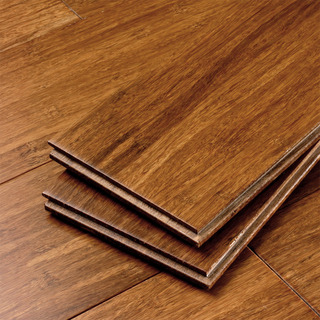
The beams’ clean linear grain and warm tones also appeal to interior designers seeking materials that blend functionality with natural beauty. Whether used in contemporary homes, boutique commercial spaces, or eco‑focused community buildings, bamboo beams align with a wide range of architectural styles.
Aesthetic Appeal That Enhances Architectural Design
Beyond structural capabilities, bamboo beams contribute a distinct visual character. The fine, linear grain and polished finish pair well with both minimalist and organic design styles.
Their consistent appearance means builders can create:
• Long, uninterrupted visual lines
• Modern ceiling treatments
• Harmonized finishes across matching bamboo elements
• Open spaces with exposed structural features
The natural color of bamboo beams can range from a light blond to a deeper caramel tone depending on carbonization processes. These color options support diverse design palettes without requiring heavy staining.
Durability and Long‑Term Wear Performance
Durability is a core expectation for any structural material, and bamboo beams meet this expectation through strength, density, and engineered reinforcement. Their laminated construction distributes stress evenly, reducing the risk of splitting or weak points.
Key durability features include:
• High resistance to surface wear
• Strong compression tolerance
• Ability to maintain shape over time
• Resistance to common structural fatigue factors
For areas with frequent use or exposure to moderate environmental stress, bamboo beams maintain reliable performance over extended periods. When combined with proper sealing and protective finishes, they hold up well in semi‑exposed outdoor settings such as pergolas or patio structures.
Installation Advantages for Builders
Bamboo beams offer several installation benefits that builders find helpful, especially during time‑sensitive projects. Their strength allows for lighter cross‑sections than some traditional lumber options, which can make handling and lifting easier.
Practical installation advantages include:
• Reduced weight compared with some hardwood beams
• Clean machining with quality blades
• Good compatibility with standard fasteners
• Predictable cutting and drilling behavior
• Straight, stable shapes that simplify layout work
Because bamboo beams are engineered, their dimensions remain consistent across batches, ensuring smoother alignment and reducing adjustment time during installation.
Manufacturing Quality Control and Standardization
Modern bamboo beam production has matured into a highly controlled process. From the moment the bamboo culms are harvested, moisture levels, fiber orientation, and density are monitored closely. This level of precision results in a dependable engineered product.
Standardization helps builders trust that each beam will deliver:
• Uniform strength ratings
• Reliable moisture content
• Consistent density
• Predictable mechanical behavior
Quality control also reduces the variability seen in natural solid wood beams, which can contain knots, voids, or unpredictable grain patterns.
Cost Considerations and Long‑Term Value
While pricing for bamboo plywood varies by grade, size, and manufacturer, many builders find the long‑term value compelling. The combination of strength, stability, and reduced waste contributes to competitive overall costs for most projects.
Value factors include:
• Less trimming due to consistent structure
• Lower risk of defects requiring replacement
• Strong longevity that reduces maintenance
• Predictable supply chains with fewer price spikes
When viewed through the lens of lifecycle performance rather than initial material cost alone, bamboo beams often compare favorably with traditional wood beams.
Points Builders Should Consider Before Selecting Bamboo Beams
While bamboo beams offer many advantages, builders benefit from considering a few practical factors:
• High‑density beams may require sharp carbide tools
• Beam lengths can vary by manufacturer availability
• Exterior applications require proper sealing
• Local codes may require specific structural certifications
Understanding these factors supports smooth integration of bamboo beams into construction workflows.
A Material Aligned With Modern Building Needs
Bamboo beams bring together the qualities builders increasingly seek: reliable strength, consistent dimensions, sustainable sourcing, and aesthetic flexibility. Their engineered nature allows them to serve both practical and architectural roles, fitting comfortably into contemporary construction methods. As manufacturing continues to evolve and design standards broaden, bamboo beams are positioned to remain a strong choice for forward‑thinking builders.
回答
まだコメントがありません
新規登録してログインすると質問にコメントがつけられます