
 2025/12/05 09:28
The Ultimate Guide to Bamboo Flooring: Why MOSO is the Best Choice
Bamboo flooring has become a popular choice for homeowners and designers alike due to its sustainability, aesthetic appeal, and durability. Among the various types of bamboo flooring available, MOSO bamboo stands out as an excellent option for various reasons. This article will explore the unique qualities of MOSO bamboo flooring, including its strength, environmental benefits, versatility in design, and safety features, providing insight into why it should be the preferred choice for your flooring needs.
Understanding Bamboo Flooring
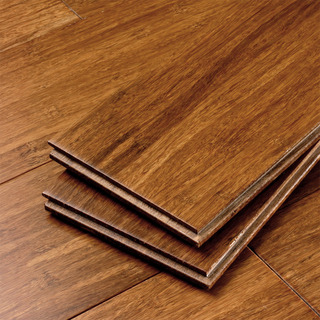
Bamboo flooring is made from the fast-growing Moso bamboo plant, known for its strength and resilience. Harvesting bamboo is an eco-friendly practice, as it grows rapidly and doesn’t require replanting after harvesting. Once cut, bamboo can regenerate within three to five years, making it a highly renewable resource compared to traditional hardwoods that take decades to mature.
Bamboo flooring can be categorized into different styles, including vertical, horizontal, and strand-woven. Each style has its unique look and feel, but MOSO bamboo consistently offers superior quality among these options.
Vertical, Horizontal, and Strand-Woven Bamboo
Vertical Bamboo Flooring: This style showcases the bamboo stalks standing upright. It has a sleek and modern appearance with a tighter grain pattern, making it particularly suitable for contemporary interiors.
Horizontal Bamboo Flooring: In this style, the bamboo strips are laid flat, producing a wider grain pattern. This gives a more traditional or rustic look and can add warmth to any room.
Strand-Woven Bamboo Flooring: This method involves weaving strands of bamboo together, creating a dense and durable product. Strand-woven floors are particularly resistant to scratches and dents, making them ideal for high-traffic areas.
Among these options, MOSO bamboo excels, offering a blend of beauty and functionality.
Why MOSO Bamboo?
Exceptional Durability
MOSO bamboo is known for its impressive hardness, which is comparable to or even exceeds that of many hardwood species. Its density is a key factor in its durability, providing resistance to wear and tear. This makes it an ideal choice for homes with kids and pets, where flooring durability is paramount.
Moreover, MOSO bamboo flooring often comes with an anti-scratch coating, enhancing its resistance to scuffs and scratches. Thanks to this feature, your floors will maintain their pristine appearance for years, even in busy households.
Sustainability
Choosing MOSO bamboo is also a choice in favor of sustainability. The Moso bamboo species is grown in FSC-certified forests, meaning it is procured in an environmentally responsible manner. Bamboo absorbs carbon dioxide and releases oxygen, contributing positively to the ecological balance. Additionally, its rapid growth means less pressure on forests compared to traditional hardwoods, making it a more environmentally friendly flooring option.
Aesthetic Variety
Aesthetics play an essential role in selecting flooring material. MOSO bamboo offers a wide range of colors and finishes to suit any interior design style. Whether you prefer the natural look of uncarbonized bamboo or the rich hues of carbonized options, you can find the perfect aesthetic to complement your home’s décor.
Natural bamboo has a light, airy feel, while carbonized bamboo brings depth and warmth. You can also choose from various stains and finishes, ensuring that your flooring aligns perfectly with your personal taste and home design.
Easy Installation
Another compelling feature of MOSO bamboo flooring is its straightforward installation process. Many products come in click-lock formats, allowing for easy installation without the need for nails or glue. This DIY-friendly characteristic can save you time and money. Additionally, some varieties are designed for glue-down installation, making them suitable for a range of heating systems, enhancing their versatility in different environments.
Health Benefits
A significant concern for many homeowners is the health impact of flooring materials. MOSO bamboo flooring is engineered with E1 standard glue, which has low formaldehyde emissions. This ensures a healthier indoor environment, minimizing harmful substances typically found in some other flooring options. A safe space is especially important for families with children or individuals with chemical sensitivities.
Bamboo flooring does not harbor allergens like dust and mold, contributing to better indoor air quality. For households prioritizing health and wellness, MOSO bamboo is a sensible choice.
Acclimation and Climate Considerations
When installing new flooring, acclimation to the environment is crucial. MOSO bamboo flooring can acclimate relatively quickly compared to hardwood products. This adaptability becomes essential in regions with fluctuating temperatures and humidity levels.
Additionally, MOSO bamboo is stable in varying climates. Its quality allows for performance consistency, regardless of whether you live in a hot, humid area or a cold, dry climate. This resilience makes it a practical choice for various geographical settings.
Maintenance and Care
Maintaining MOSO bamboo flooring is easy. Regular sweeping or vacuuming can help remove dirt and debris, while occasional damp mopping will keep the surface looking new. It’s important to avoid excessive water exposure, as standing water can seep into seams and cause damage over time.
Furthermore, the anti-scratch coating adds an additional layer of protection, reducing the frequency of required maintenance. Over time, minor scuffs or scratches can be minimized or repaired through refinishing, maintaining a beautiful surface.
Comparing to Other Flooring Types
When deliberating over flooring choices, it is essential to compare MOSO bamboo with alternatives like laminate and even hardwood options.
Bamboo vs. Laminate
While laminate flooring can imitate the look of wood, it often lacks the durability and natural beauty of bamboo. Temporary and more economical, laminate can wear down more quickly than bamboo flooring, leading to increased replacement costs over time. MOSO bamboo’s strength and longevity provide a better long-term investment.
Bamboo vs. Hardwood
Hardwood floors may provide a classic aesthetic, but they come with some drawbacks. The initial cost can be higher, and the upkeep requires more maintenance over the years. In contrast, MOSO bamboo provides a similar elegant appearance, often at a lower price point, while offering more durability and easier care.
Final Thoughts
Choosing flooring is a significant decision that impacts your home’s aesthetic, comfort, and environmental footprint. MOSO bamboo flooring rises above the alternatives, combining durability, beauty, and sustainability into one remarkable package.
Whether you desire a modern look with vertical bamboo or a traditional feel with horizontal options, MOSO bamboo caters to a variety of tastes and preferences. With its ability to withstand the rigors of everyday life and its health benefits, it's clear why many homeowners are opting for this exceptional flooring material.
Embracing MOSO bamboo flooring isn't just about aesthetics; it’s a commitment to a more sustainable future while enhancing the beauty and functionality of your home. The next time you're considering flooring options, keep in mind the numerous advantages that MOSO bamboo brings to the table.
回答
まだコメントがありません
新規登録してログインすると質問にコメントがつけられます